Informazioni
Why not use traditional interior design for memory care instead of virtual staging?
As a result, you will be able to determine whether the property is suitable for your needs. Additionally, you won’t have to wait for construction crews, hire contractors, or purchase materials, which will save you money. One advantage of virtual staging for memory care facilities is that you can see how your home will look before making any decisions. What are the advantages of virtual staging for memory care facilities? Cost savings is one obvious benefit.
Virtual options significantly reduce those costs – sometimes by over 90%. Instead of using those funds for transient decor, facilities could use them for enriching programs, more staff, or individualized resident activities. Virtual staging brings this possibility to life in memory care settings without the upheaval of moving furniture or repainting walls. Rentals, delivery costs, and labor quickly mount up when outfitting even a single common area the old-fashioned way.
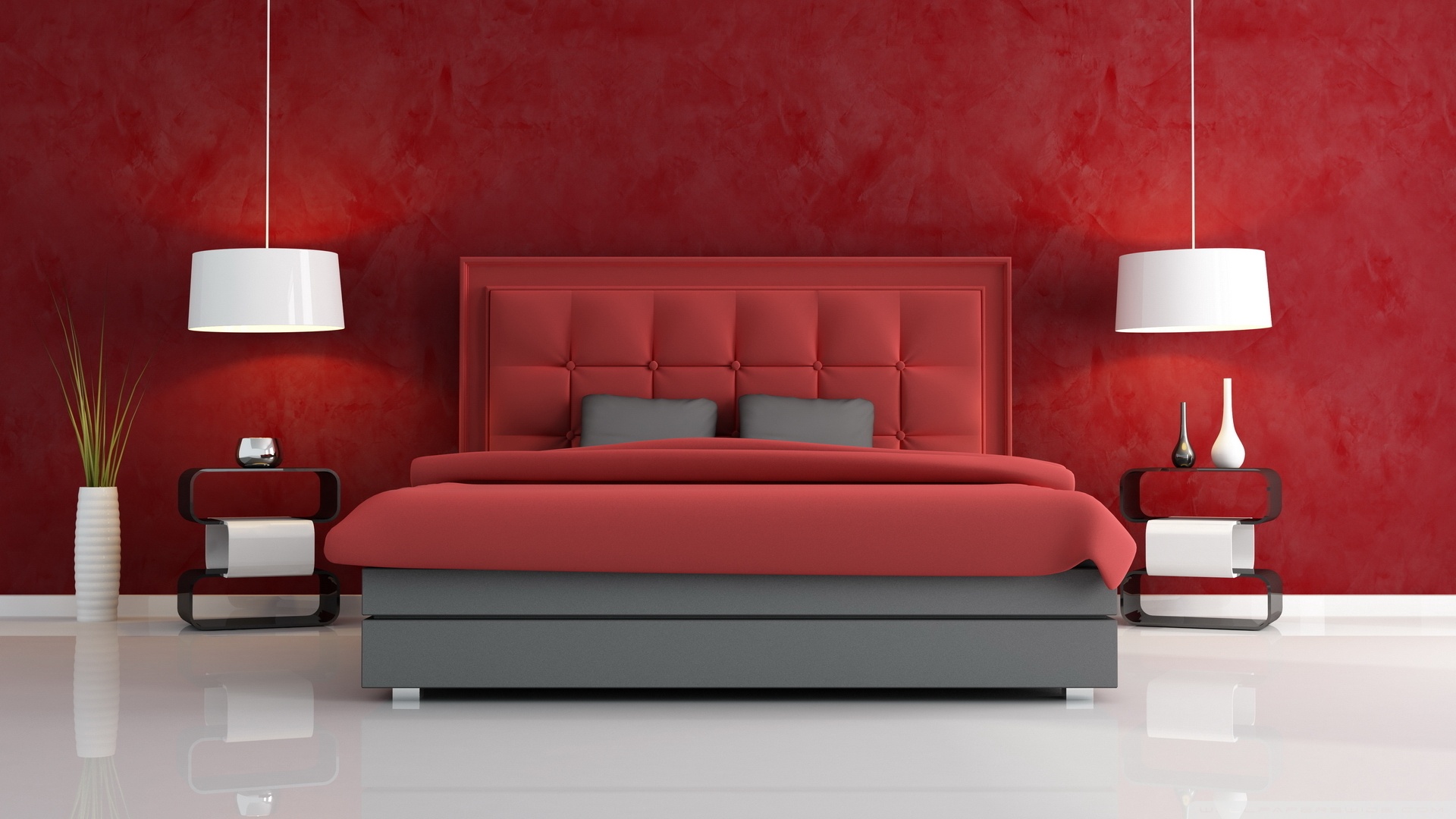
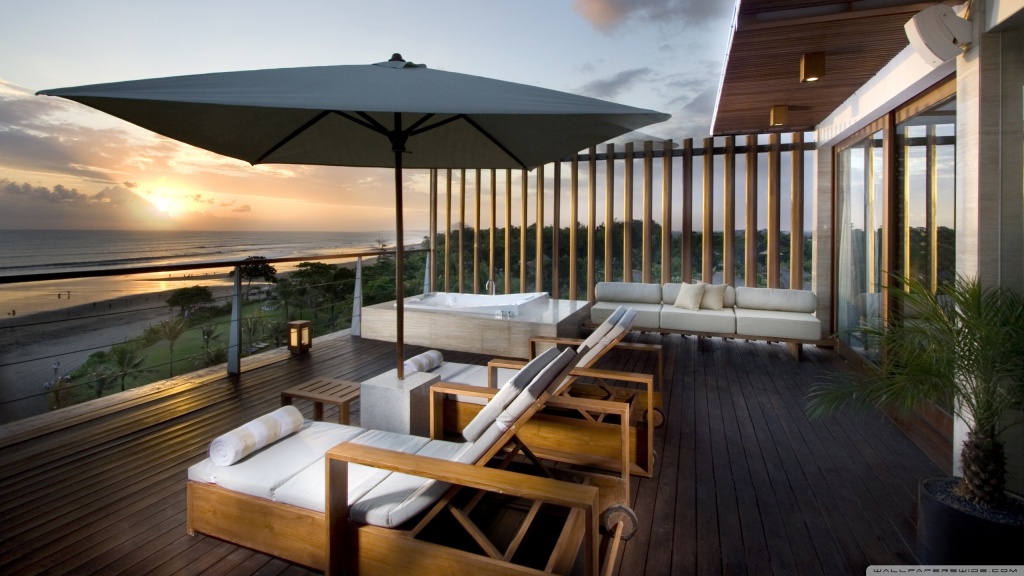
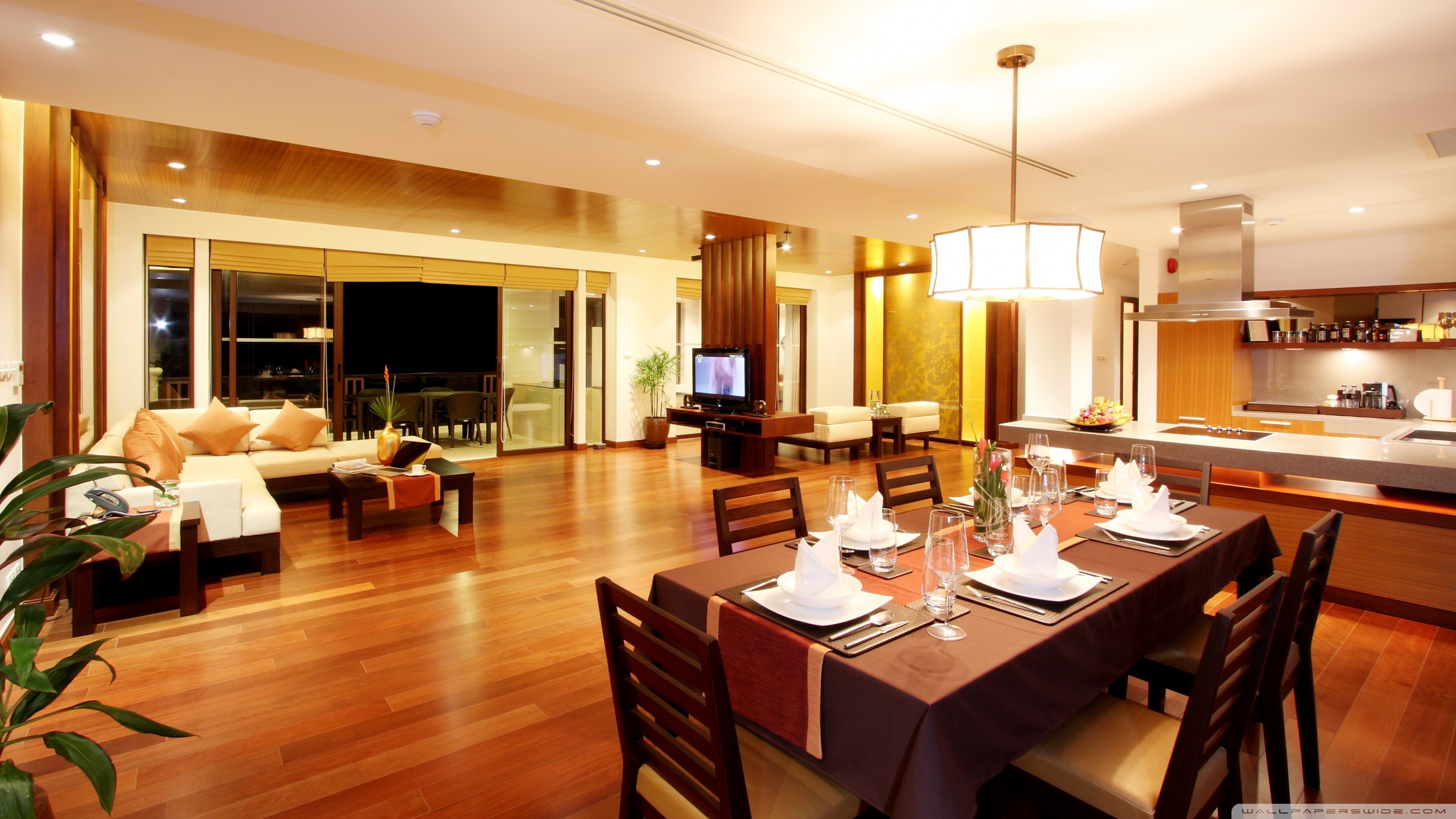
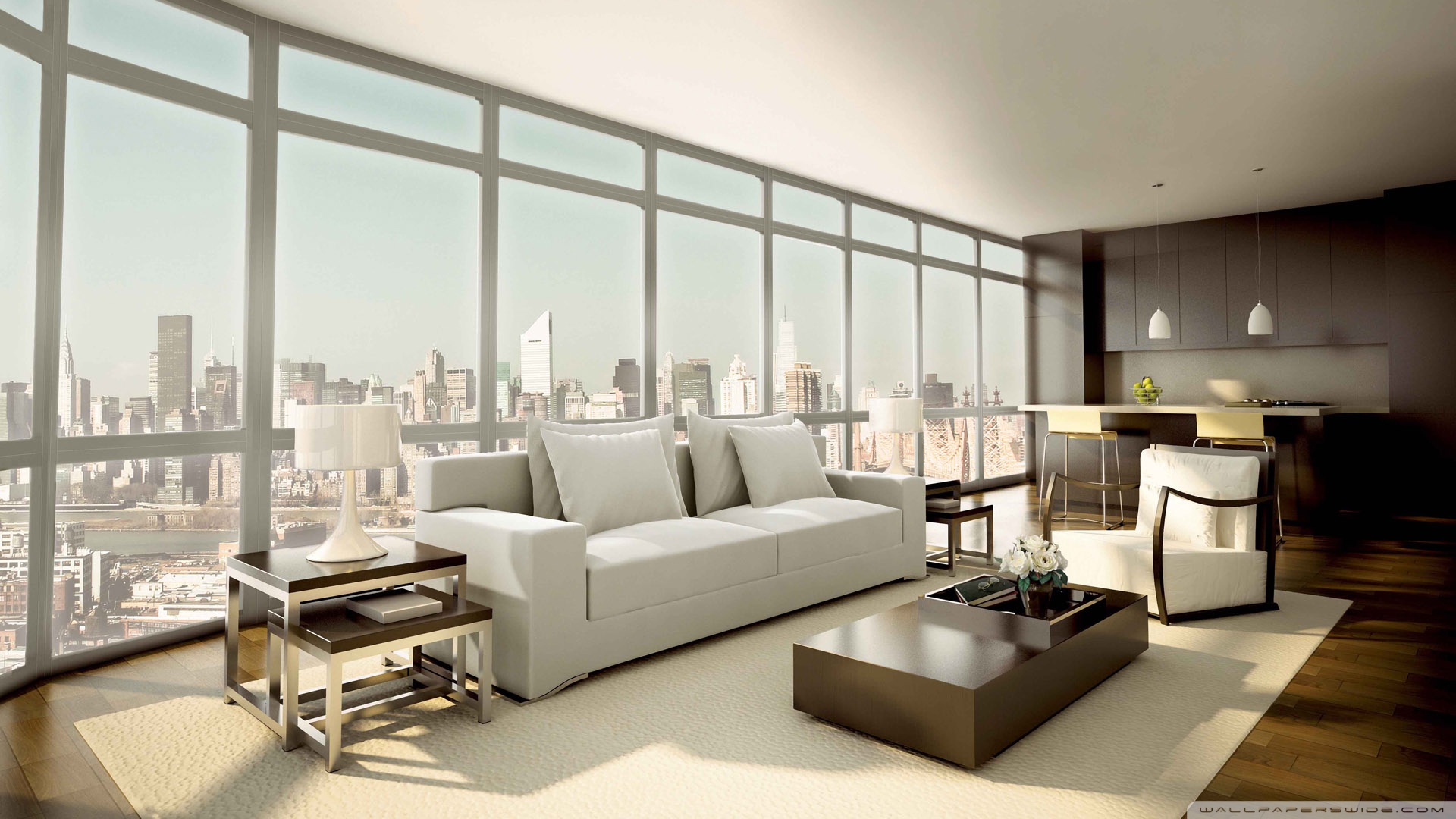
Cozy seating sections, serene decor, natural lighting, and user-friendly layouts that convey professionalism and compassion right away can all be seen in digitally staged rooms. Families want assurances that their loved one will be respected, safe, and well-cared for in a comfortable environment. You should not undervalue the emotional impact. Virtual staging allows you to have all of the benefits of interior design without having to go through the hassle of putting together everything yourself.
The primary cause is that designing a memory care facility requires a variety of components that must cooperate to produce a unified appearance. Virtual staging for memory care: the difficulties in designing an Alzheimer’s care facility. Digital staging’s versatility also creates delightful personalization options that traditional design just cannot match with the same agility. A resident’s virtual blueprint can be instantly updated to reflect any changes in their preferences or cognitive needs, directing future physical adjustments.
maybe checking this makes it possible for them to produce images very rapidly. They are able to view several versions of a room and select the one that exudes the most coziness and safety. The surroundings actively contribute to residents’ well-being rather than merely serving as a backdrop. Achieving the ideal design is crucial, but the conventional approach – hiring an interior designer, placing furniture orders, setting up a space, taking pictures, and then refining the design – is costly, time-consuming, and frequently upsetting to the occupants.
The stakes are exceptionally high when a memory care facility decides to remodel or redesign its spaces. Memory care leaders who adopt it position their communities as forward-thinking havens that value both innovation and tranquility.Meals Together Unit 3006 30th Floor One Corporate Center Meralco Ave, cor Doña Julia Vargas Ave, Ortigas Center, Pasig, 1605 Metro Manila, Filippine +63 (02) 361 7435
Contatta
Vendite In Evidenza
Affitti in Evidenza